

Safari in Kanha National Park
Safari in Kanha National Park is a lifetime experience. Driving through the national park makes you feel an adrenaline rush to spot the elusive cat.
Choosing the right safari zone.
Local guides with update info.
Planning for the right travel time.
Patience and discipline.
On a wildferness safari in Kanha.
Safari in Kanha represents the ultimate wildlife adventure, offering visitors unparalleled opportunities to encounter India’s most magnificent predators and diverse ecosystems in their natural habitat and as the area is a part of the Central Indian highlands, it is rich in dry and deciduous forest plus grassy meadows. The park has a well-planned safari setup that is very conducive in viewing the wild animals with minimum environmental interference.
Understanding the safari zones.
Safari Zones of Kanha
Mukki Safari Zone
Kanha Safari Zone
Kisli Safari Zone
Sarhi Safari Zone
SOME INSIGHTS
Planning the safari in Kanha
Safari Zones And Terrain
The park is split into four primary safari zones and boasts diverse landscapes and wildlife from zone to zone.
It includes the Kanha Zone, which is the park’s showpiece and comprises large grasslands dotted with deciduous sal stands and is renowned for possessing the purest form of high tiger density. The heart of the park, Kanha Zone, is the purest spot with feeling of wilderness and virgin forest. Famous for the rare hard-ground barasingha and a fair number and variety of predators including tigers and leopards, this zone gets lesser number of visitor and one will need lots of patience for wildlife sighting here.
Kisli Zone: It represents Kanha’s topography of beautiful sal trees, meadows of grass and stands of bamboo, Bhamni Dadar offers a splendid view of sun and sunset. Kisli is still the most preferred safari zone. It presents incredible chances to sight the Bengal tigers, leopards, swamp deer (barasinghas) and hundreds of birds. The winding rivers, along with its varied animals sightings make Kisli a dream land for wildlife photographers and enthusiasts.
The Mukki Zone boasts dense tiger sightings and a good chance of spotting the majestic predators, as well as sloth bears, wild dogs and high numbers of spotted deer and sambar. This is perhaps the most sought after area by tourists and often sells out months ahead.
Other than tiger Mukki is abiding place for other wildlife species and beautiful forest that adds to jungle experience. Sarhi is less popular and ideal for those who want to be alone. Tiger sightings are less common in this zone, but it is full of wild boar, bison, antelope and lots of species of birds. Amidst luxury resorts where Sarhi enables comfortable stay options and the proximity to nature.
Types Of Safaris Available
Kanha provides a variety of safaris as per everybody’s convenience and budget. Jeep Safaris are still the preferred method of exploring, with 4X4 open-topped vehicles taking six passengers at a time, an experienced driver and a knowledgeable naturalist guide. These are available to book as private or shared. Canter Safaris seat up to 20 guests and feature an open-bus style type within a very competitive price range and good view. Full-Day Safaris are 12-hour luxury indulgences where guests can visit various zones and return back to their accommodation for meals. Walking safaris and bike trips in buffer zones provide another way to experience the ecosystem from ground level. Elephant safaris are offered in some parts of Kanha for an up-close, quieter and more elevated experience to view wildlife in densely forested areas. This classic safari method makes the visit to the jungle more thrilling. Guided nature walks provide visitors an opportunity to wander among the flora and fauna along buffer zones. Look for rare bird species among Kanha’s forests and waterbodies in the popular trails and cycling routes for birders. Located inside the park, the Kanha Museum features interpretative and educational exhibits concerning park’s fauna, history and the conservation activities. It can be a good stop over during the safaris to know the bio-diversity significance of Kanha.
Safari Timings And Seasons:
The park is open all year around except in monsoons (July -September). Safari timings differ according to seasons (morning safari is from 6:30 AM to 11:00 AM and evening safari is from 3:00 PM to 5:30 PM in winter and in summer, timing are changed to 5:30 AM to 11:00 AM and 4:00 PM to 6:45 PM). Safaris are 3-5 hours each and on set tracks which have been plotted through allocated areas to minimize disruption to wildlife.
Booking And Permits:
Booking in advance is a must, particularly for high-demand zones and for morning safaris. Reservations are accepted up to 120 days in advance through the official website. All participants require government-issued photo identification for visitors, and safari permits cover the cost of vehicles, guide charges and park entry.
Scenic And Cultural Activities Around Kanha
Sunset Hilltop Walks – Walk on forest foot-trails and to tribal villages visiting the scenic jungle hill tops overlooking the park. These stones provide fantastic sunset panoramas of the green jungle at the bottom.
Haats – A visit to the colourful tribal markets can be a key to the pulse of local culture. These marts are filled with homemade crafts, real jewellery, ceramics and organic goods and they’re a great spot to mingle with locals.
Picnic-By Banjaar River – The serene picnic by Banjaar river on the verge of the park, is a perfect retreat for somebody looking for peaceful time in Mother Nature. It’s the perfect spot to unwind after an exhilarating day on safari.
Wildlife Sightings And Photography
Kanha offers photographers and viewers of wildlife excellent possibilities. Its open grasslands, mixed with forests and wetlands, make for great tiger, leopard, sloth bear, Indian wild dog sighting as well as the endemic barasingha. Professional photographers and animal lovers will definitely like that, especially for the golden hour light and the variety of beautiful textured backgrounds the park can provide.
Best Viewing Seasons
While wildlife viewing is generally good year-round at the park, the best months are from March to June, when animals are gathered at the dry seasons’ remaining water sources. And as the period of the post monsoon, one gets greener landscapes and friendly weather, except in places where the forest is too thick and visibility is low.
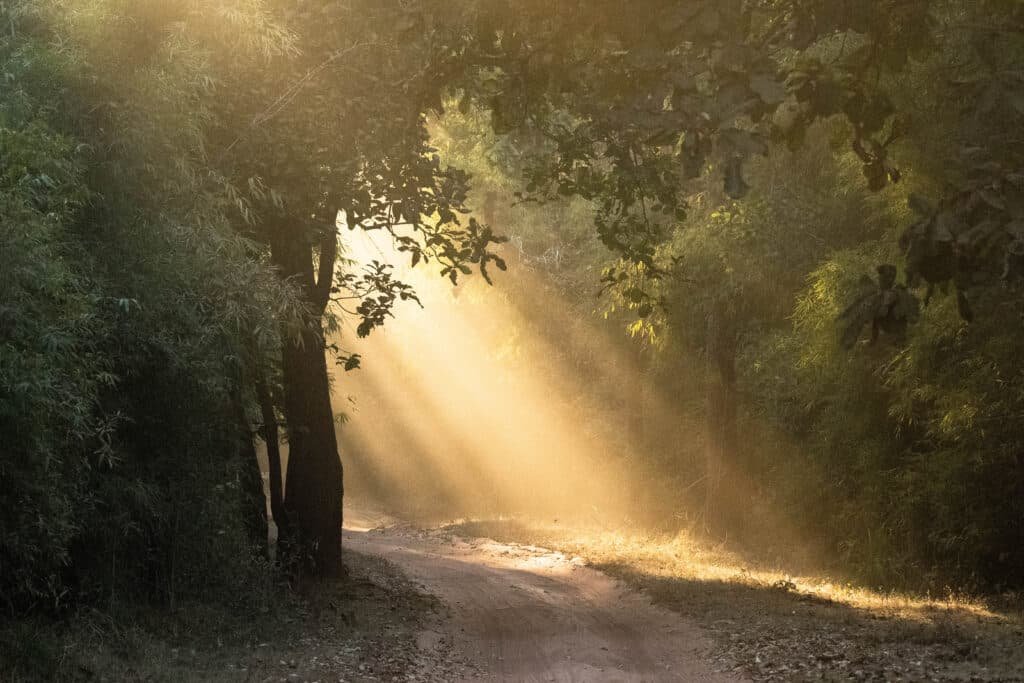
A trip to Kanha for wildlife safari.
An educational trip to the Kanha safari is much more than just about the ecosystem of the locals and the intricacy of the relationships shared amidst the different species that come together to create the truly exquisite ecosystem that we observe in Kanha. The safaris in Kanha National Park are a way of getting to witness wild in its natural habitat and explore untouched beauty of Central India. Containing dense sal woods, tranquil meadows, and cultural grandeur, the park has something for every kind of safari lover and nature lover. The enthralling tiger trout in the jungle terrain, elephant rides and trekking of scenic hilltops is waiting to be explored at Kaha which is a magical mix of adventure and serenity.