The Royal Bengal Tiger
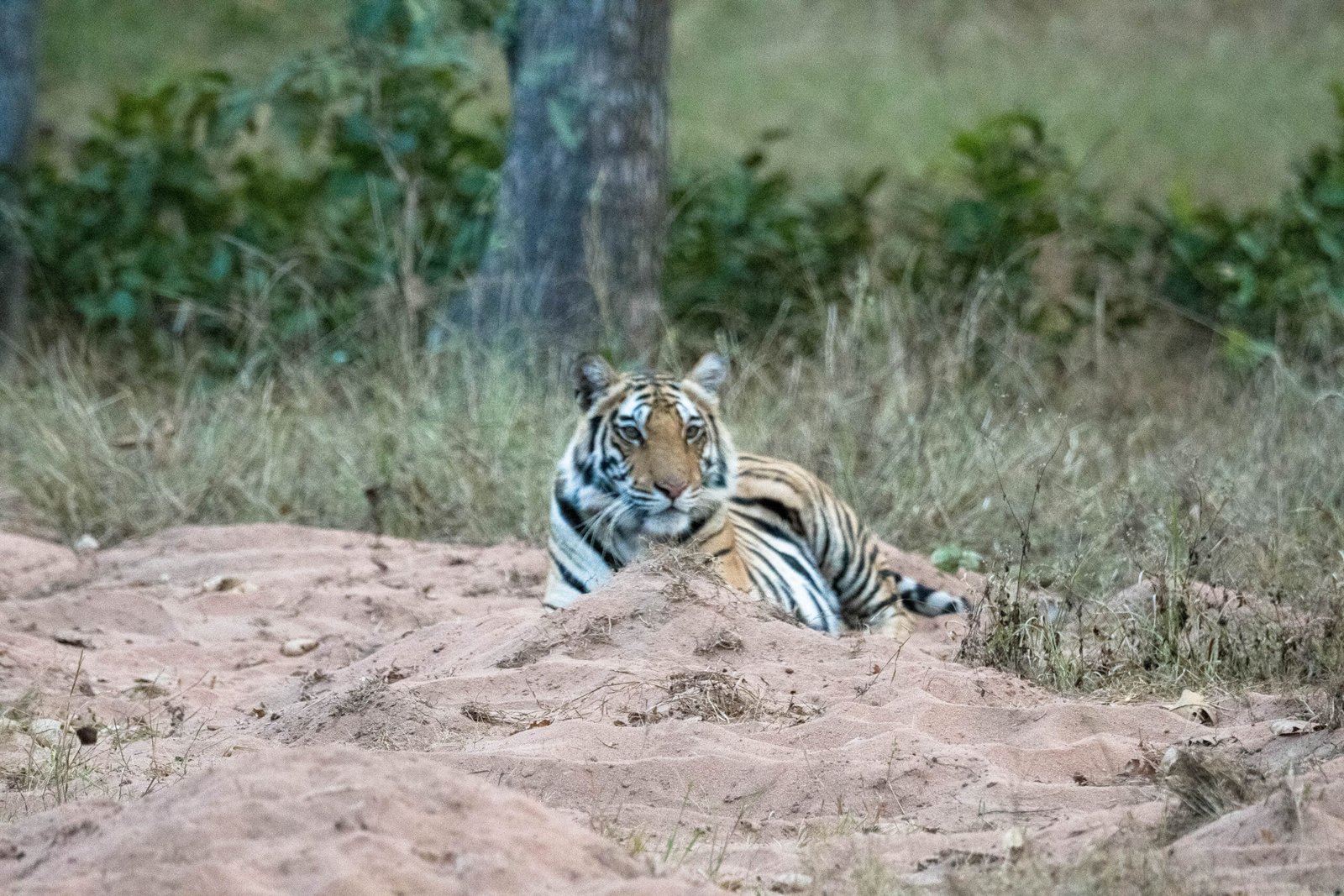
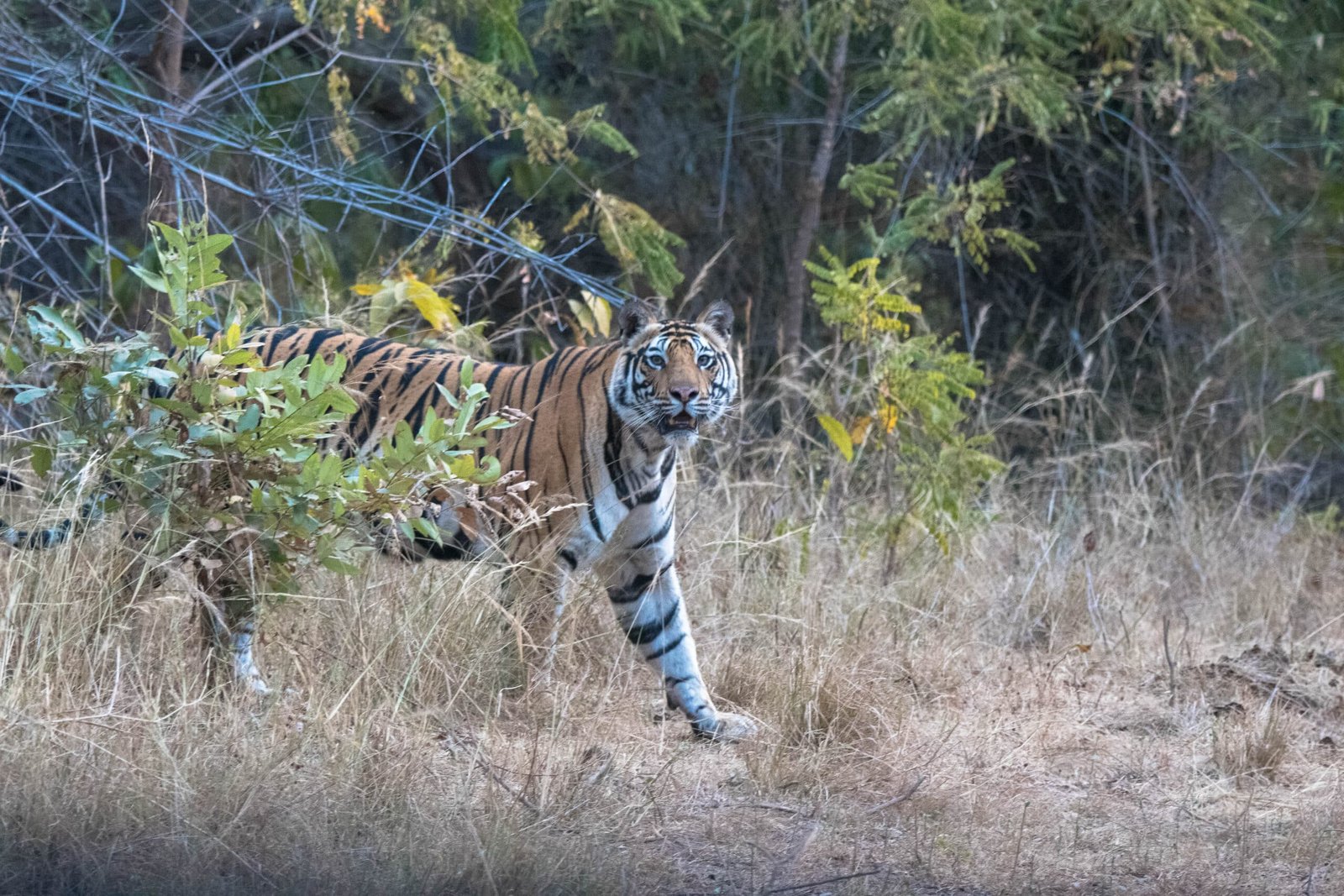
The showstopper at Kanha, one of the most sought-after wildlife reserves in the country, is the Tiger but the forest reserves are home to plenty of other wildlife species too. These gorgeous animals are the park’s flagship species now, and the park’s conservation efforts have played a major role in India’s tiger recovery. These tigers are relatively large, with males weighing over 250 kg and are especially known for their unique behavior and adaptation to the sal forest and grassland of the reserve. Sambar, chital, barasingha (swamp deer), and wild pig are the main animals that the tiger eats in Kanha. They sometimes attack gaur calves, barking deer and porcupines to fulfill their hunting needs. This plentiful food source ensures a dense and healthy population of tigers. Of the numerous tigers that have ruled in his dominion, Munna Tiger (T-17) was known for his king-like attitude along with a unique “trident” shaped forehead stripe. Munna reigned over his turf for more than a decade before his transfer in 2019 and death in 2021. Tales of these tigers only serve to enhance Kanha’s mystique — and the emotional investment park visitors have in its animal community.
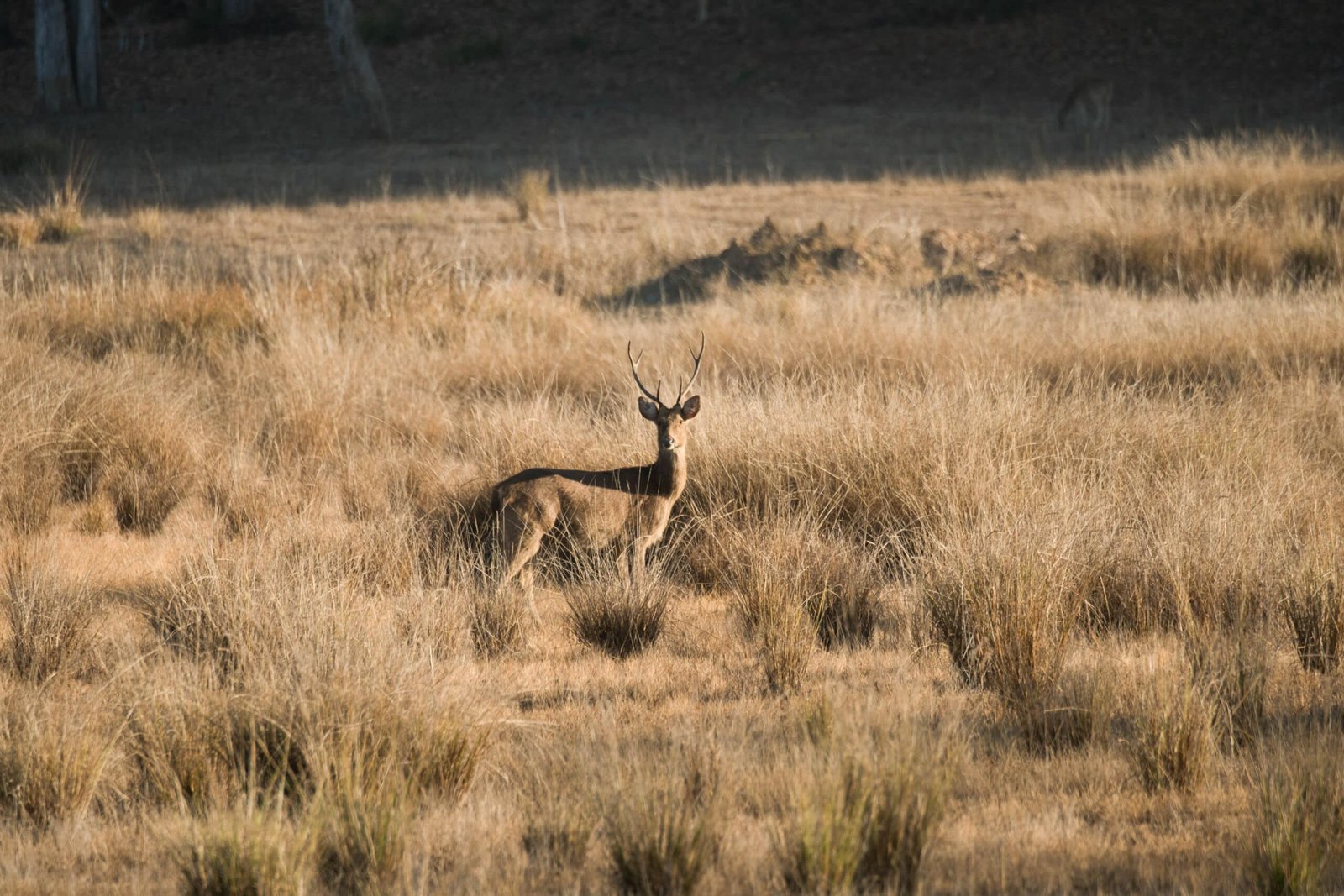
The Barasingha Conservation Miracle
Among the best conservation successes of Kanha is restoration of the hard ground barasingha (swamp deer) from the brink of disappearance. By the 1960s when only 66 individuals were left, they were on the verge of extinction. Thanks to conservation efforts, the population has rebounded to over 800 today, but Kanha is currently the only place on Earth where this subspecies can be observed in the wild. A monumental recovery like this brought barasingha the distinction of becoming India's first National Park mascot - "Bhoorsingh the Barasinga".
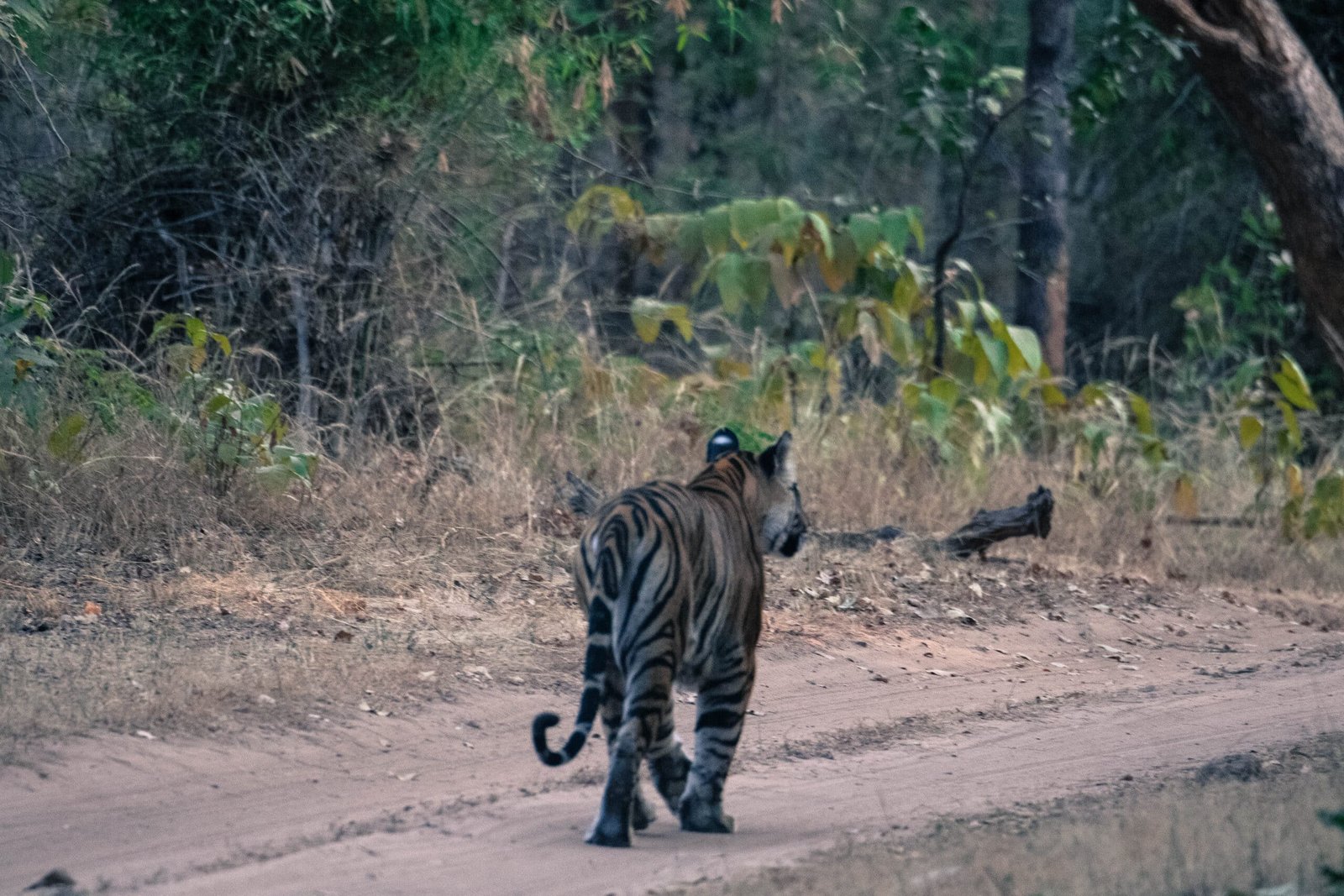
Predators And Large Mammals
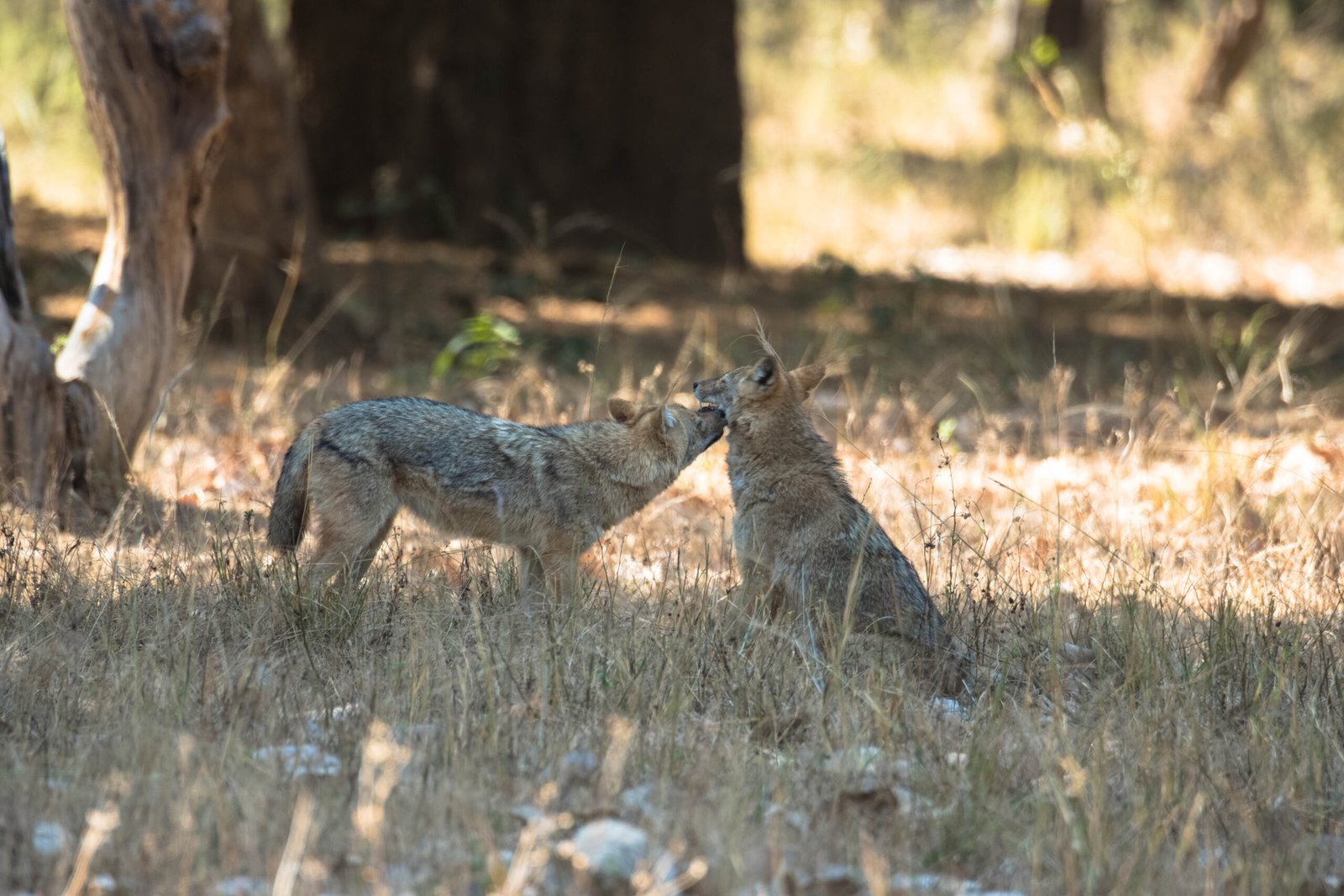
Over and above tigers, Kanha is home to an incredible number of predators such as the Indian leopard that take to the varied habitats of the park and the sloth bear that is a regular visitor in the park during morning and evening time. The park is famous for the Indian wild dogs (dholes or whistling dogs) population which is one of Asia's most endangered populations and is recognized for characteristics such as their unique hunting style and their intellect. Meanwhile, Indian jackals, striped hyenas and wolves makes up the carnivore guild, and they all play their parts in supporting a perfectly balanced ecosystem.
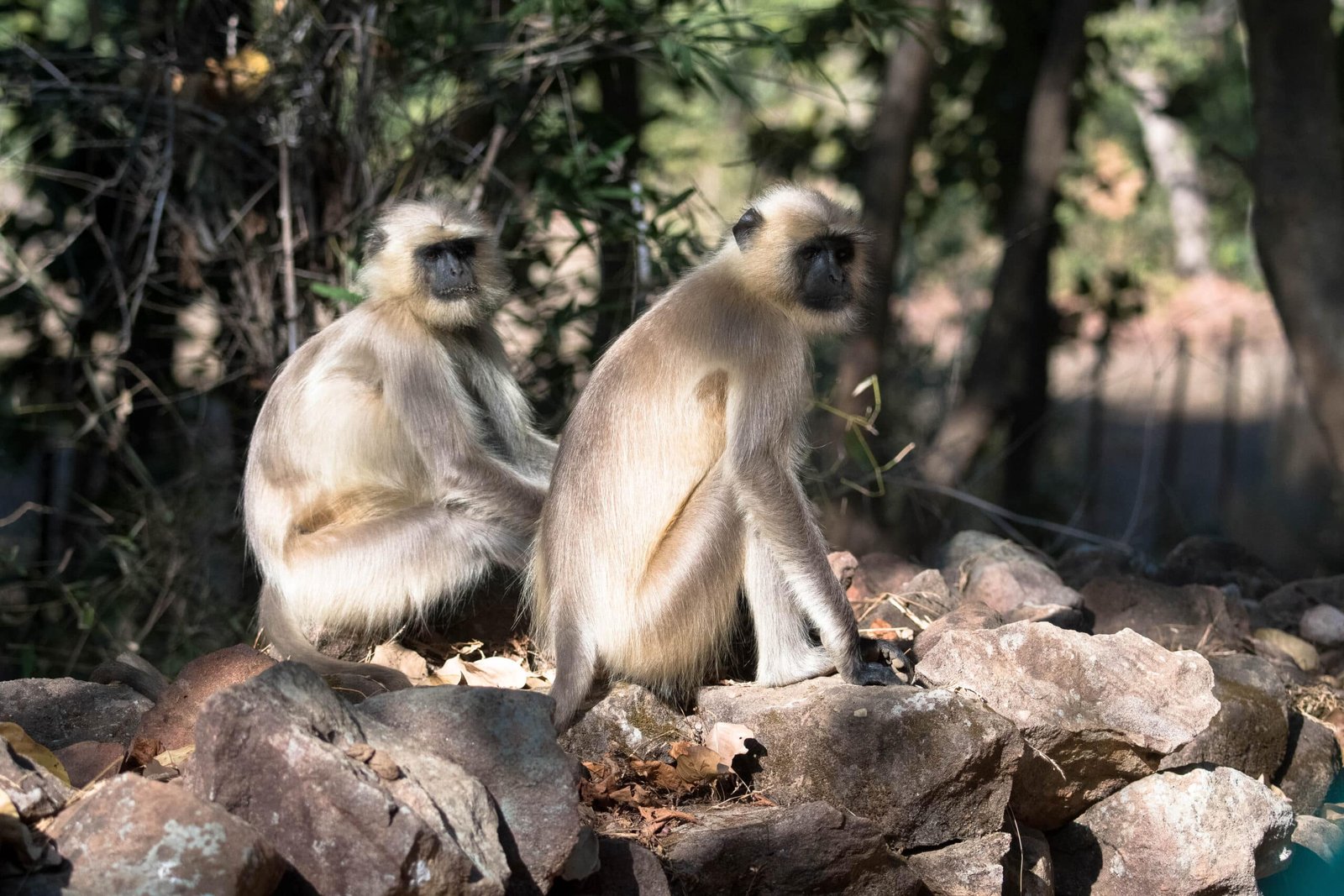
Herbivores And Grazers
The park’s open grassy areas sustain herds of spotted deer (chital), sambar and the Indian gaur (bison) an impressive animal weighing up to 1000 kg. Open areas are the home of the nilgai (blue bull), the largest of Indian antelopes, and two varieties of the Indian gazelle or Chinkara. These forests also host barking deer also known as muntjac and wild boar which are important prey for large predators throughout the park.

Avian Diversity
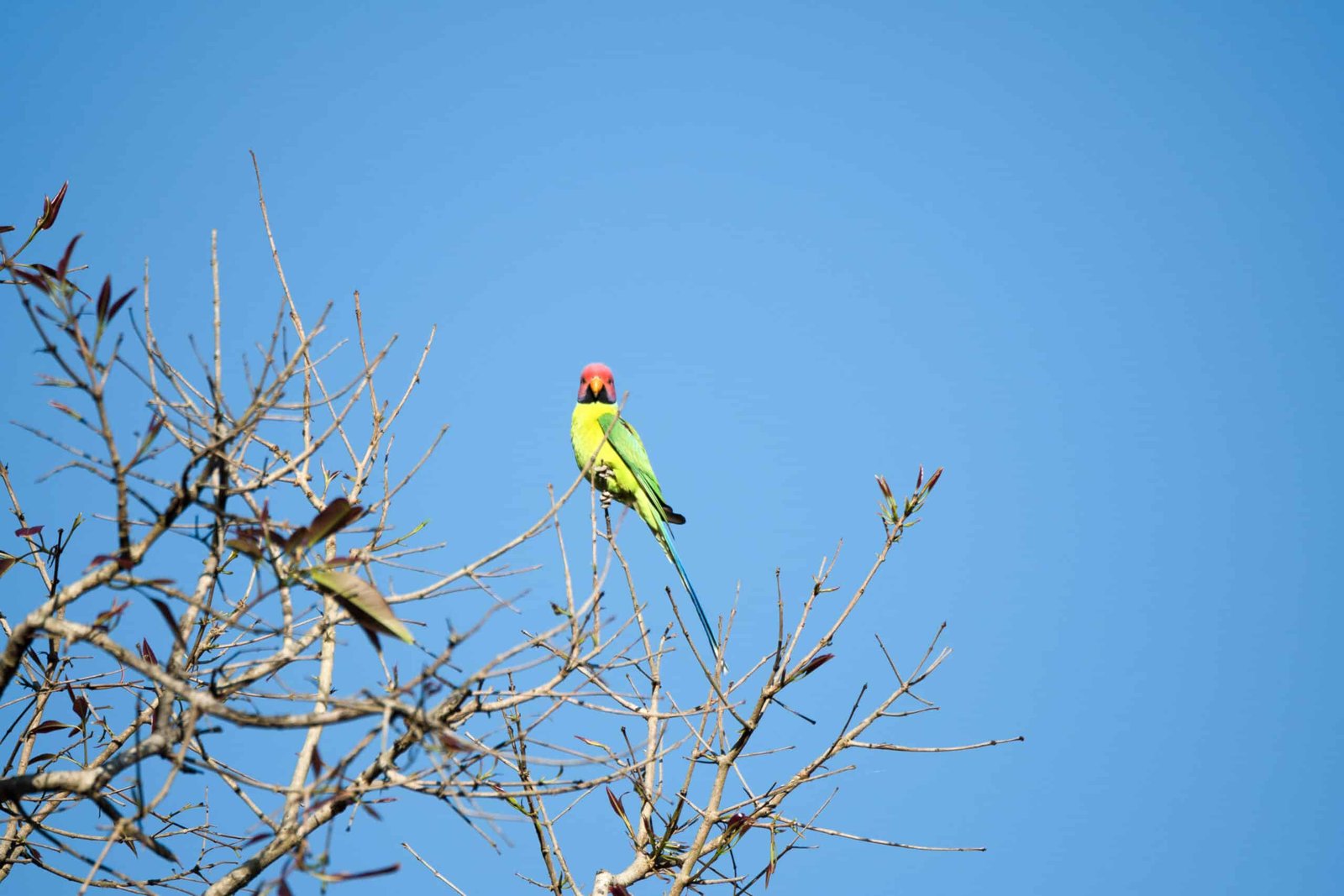
Kanha is also a bird watcher’s paradise with more than 300 species of birds and is one of India’s top birding destinations. The park boasts pretty species like the crested serpent eagle, the Indian paradise flycatcher, with its long-painted tail, the Indian roller, adorned with blue feathers and the exotic looking grey hornbill among others. Waterfowl are seen along the park’s hundreds of streams and ponds, such as pond herons, and the sound of peacocks and red junglefowl calls echo in the area.

Conservation Initiatives
Camera traps and GPS tracking have been employed in anti-poaching patrols to help protect wildlife in Kanha, and it seems to be paying off. We can also keep the scales from tipping too greatly in the direction of extinction for other species by restoring habitat in forests and grasslands. There are buffer zones around the park which get the local people involved in the conservation process, as conservation offers them an opportunity to make money and also reduces human-wildlife conflict. The park's Wildlife Monitoring Programs contribute valuable scientific data to global conservation efforts, to answer some of the most challenging questions that we face globally regarding these under threat ecosystems, this in itself makes Kanha not just a great place to visit but a living laboratory for understanding and protecting India's natural heritage.