

Flora of Kanha
A sanctuary with its well-preserved flora that is home to about 850 plant species.
Dominance of Sal Forests
Rich Grassland Diversity
Rare and Endemic Plant Species
Complex Ecosystem Interdependencies
Flora of Kanha National Park
Kanha National Park consists of a fragile sanctuary with its well-preserved flora that is home to about 850 plant species that carpets the entire region that are some of the most important in the whole Indian forest ecosystem. The ecosystem comprises of intricate food chains and food webs that not only sustain the wildlife but also provide necessary habitat for its famed wildlife populations.
PICTURE GALLERY
Flora of Kanha
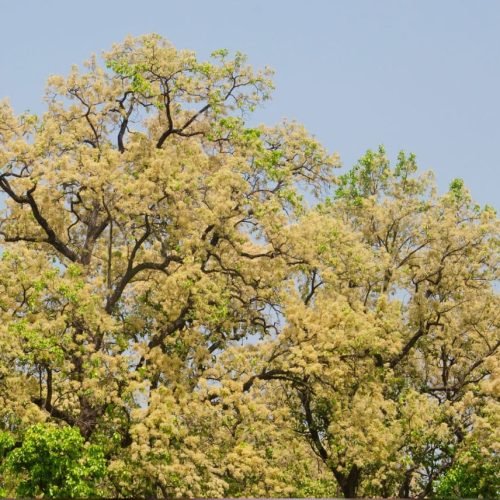
Sal (Shorea robusta)
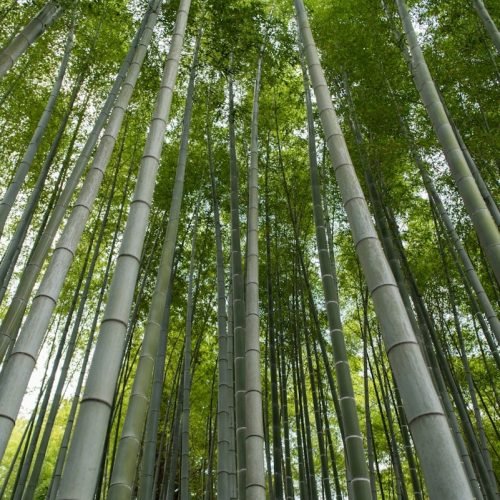
Bamboo (Dendrocalamus strictus)
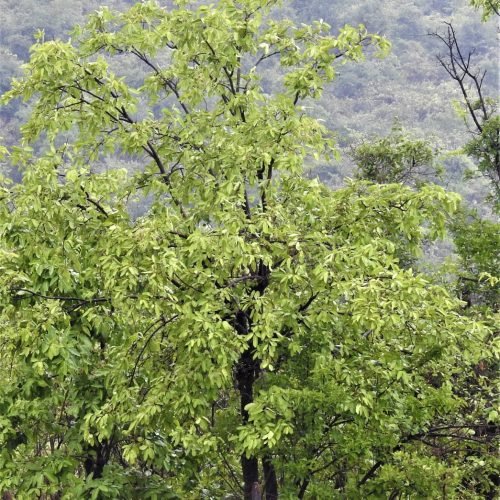
Saja (Terminalia tomentosa)
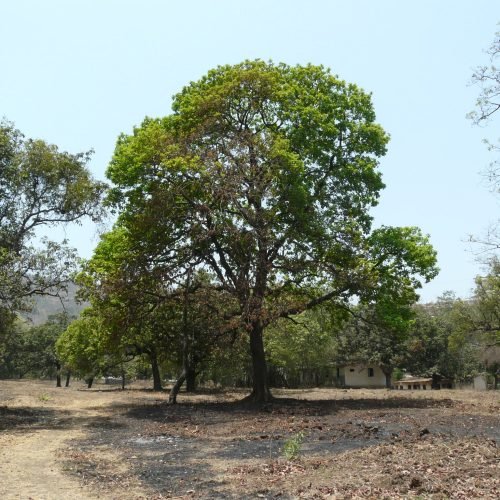
Mahua (Madhuca indica)
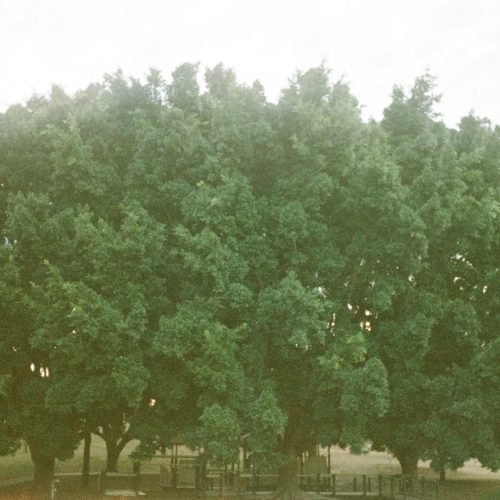
Bija (Pterocarpus marsupium)
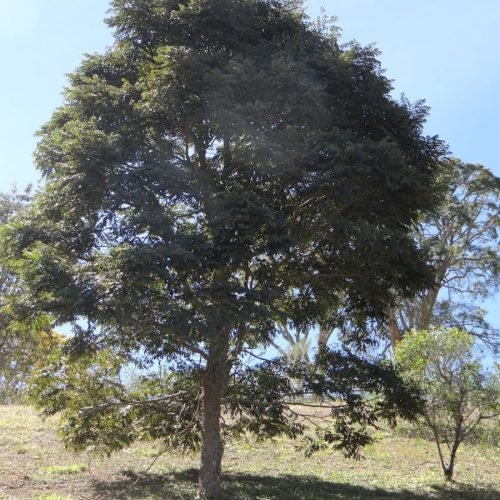
Tendu (Diospyros melanoxylon)
SOME INSIGHTS
Kanha - A Paradise of Nature's Flora
Dominant Forest Types:
The park is carpeted with deciduous sal (Shorea robusta) forest. These huge sal trees form a nearly impregnable canopy and it is these cathedral-like interiors that render the Kanha so enchanting. Sal forests are interspersed with bamboo and understory food plants of herbivores (elephant, gaur and deer) like Dendrocalamus strictus and Bambusa arundinacea.
Grassland Ecosystems
Kanha’s huge grasslands form one of the most valuable grazing fields in the central province. These artificial meadows, which are sustained through adapted conservation measures, can satisfy the park’s large herbivore numbers and offer the perfect hunting fields for predators. Grass is the largest plant family in diversity, with many endemic and rare grass species found in the park.
Notable Tree Species
In addition to the dominance of sal forests, there is a mixed variety of trees including the Mahua (Madhuca longifolia), whose flowers are used for preparation of alcohol and whose fruit attract several species of wildlife. Sterculia urens also known as the Indian Ghost Tree renowned for its distinctive white bark along with Tendu which is economically significant due to its leaves which are used for traditional bidi production. Several notable species also include Jamun (Syzygium cumini) which bore nutritious fruits and act as an attraction for various birds and mammals along with the fire-resistant Saja (Terminalia tomentosa) trees.
Medicinal Plant Wealth
The park is a preserve of medicinal plants such as Rauwolfia serpentina, a species used in inhibition of hypertension and anxiety. The indigenous tribal communities in the area have been able to conserve information on many hundreds of medicinal plants in the park, which constitute an important ethnobotanical inheritance. These range from species with medicinal value for a number of sicknesses.
Understory Diversity
The dense undergrowth consists of climbers, shrubs, and herbs that form varied microhabitats. It is also noted for its flowering season when the flame of the forest (Butea monosperma) flowers with a magical display of imposing intensely red flowers and many different Casearia tree species contribute to the botanical diversity of the park. Epiphytes such as orchids and ferns contribute to the vertical diversity of the forests.
Conservation Significance
The flawless botany of Kanha comprises of some rare and endemic species needing enough amount of conservation effort. The park is managed for the restoration of habitats by initiating reforestation projects and using invasive species control to help restore the equilibrium between other vegetative types. Together, these works contribute towards the conservation and availability of common and rare species of plants, which is the keystone to maintaining the ecological health of Kanha. The intimate interactions among Kanha’s flora underlying this complex ecosystem not only sustain its famous wildlife, but also render plant conservation no less urgent than animal protection.